
I want to deconstruct and share all the bike, gear and any other details about travel, storage, lodging, etc. I will wax in geek speak to help explain what and how I prepared. I hope my trials and tribulations will help you in your preparation and planning for this or any brevet or grand randonnee.
The Bike
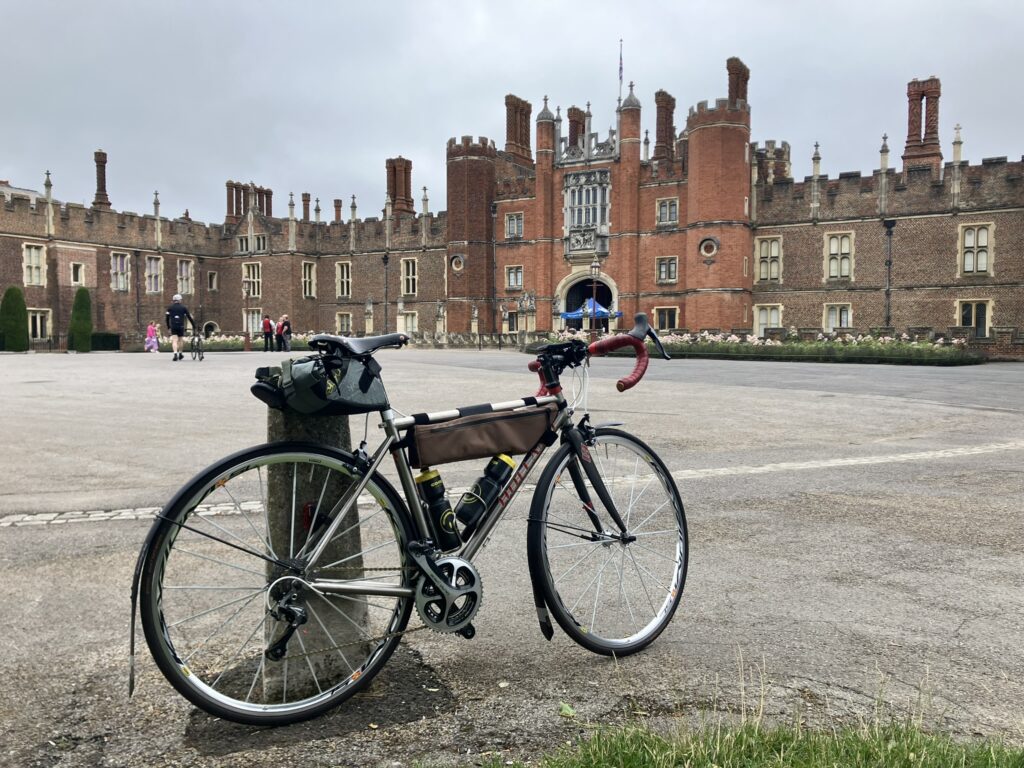
In late 2018 I took delivery of a Bill Holland custom titanium frame with the Richey breakaway in preparation for PBP 2019. It has been my go-to bike for all long distance events. At the time, disc brakes were still rather new on road bikes and I wasn’t familiar working with them, so I decided to stick with rim brakes.
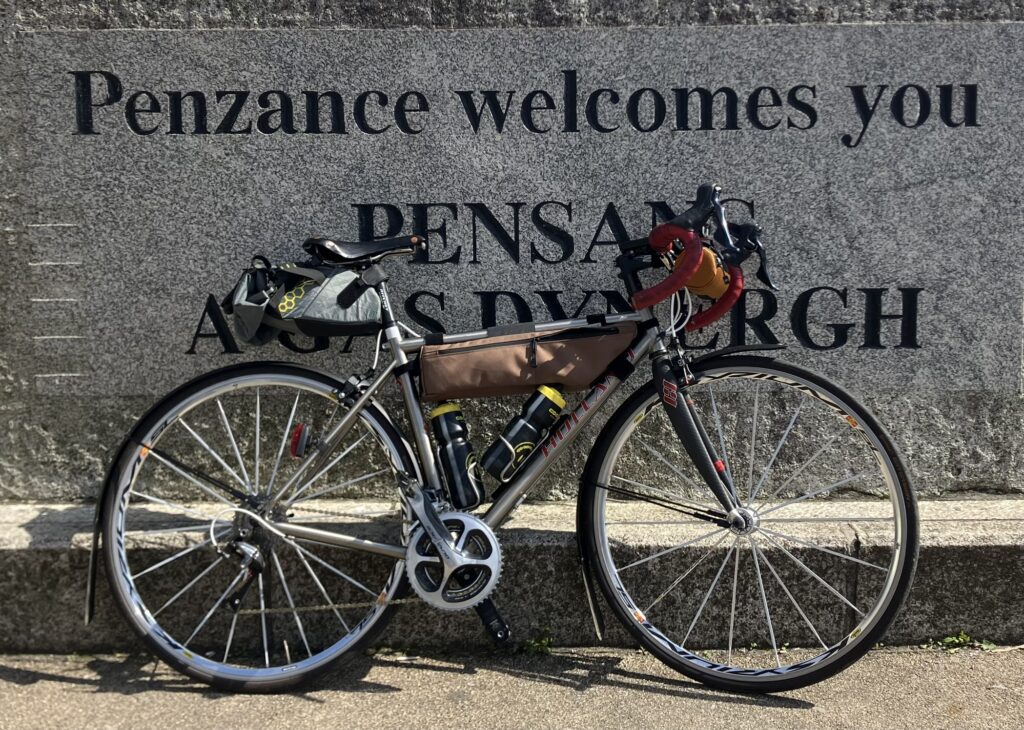
Here are the deets:
- Shimano Dura Ace 9100 11-sp shifters
- Shimano Dura Ace 9000 52-38 11-sp crank
- Shimano Dura Ace 9100 11-30 rear cassette
- Shimano Ultegra R8000n 11-sp front derailleur
- Shimano Ultegra 11-sp rear derailleur (the generation when the cable end pointed out)
- Shimano Ultegra caliper brakes
- Holland branded carbon fork
- Brooks Swift saddle with titanium rails (style points with perhaps some weight saving)
- Brooks leather bar tape – red, to match the bike. Had since 2019.
- King Cage titanium bottle cage for downtube, side accessible
- Unknown maker titanium bottle cage for seat tube (bought from Robert Abraham before he moved out of San Diego)
- Mavic Ksyrium SSL wheel set (I struggled with putting tires with tubes on tubeless ready wheels, so I bought a “vintage” wheelset that could only take tubes)
- Conti Gatorskin tires for 700Cx25
Because of the premature cable fraying in the shifters, I transitioned to a SRAM Red eTap shifters. As a rim brake bike, I had to find a set of used SRAM eTap shifters and derailleur for an 11-sp drive train with mechanical caliper brakes. There was an outfit called Elevate Cycling. I chose SRAM over Shimano because I like SRAM’s modular battery pack so I didn’t have to park the bike next to an outlet to recharge. I could bring an extra charged battery and bring along the charging cradle to plug into a battery. Just before the start of the Garden State series in 2025 the latch securing the front derailleur battery snapped off during assembly. During a shakedown ride I nearly lost the battery. I ended up using a zip tie to secure it and it worked out well beyond the 1000k.
I had to make trade-offs to get the other accessories to fit and could not install fatter tires which would have been ideal for UK infrastructure’s state of disrepair. I am considering a new titanium frame bike (N+1).
Fenders
Portland Design Works full metal 700×30. Rain was my biggest concern. At LEL in 2017, a torrential down pour on Day 1 was the seed of my downfall. I previously installed a 28 but it wasn’t wide enough to minimize splash. When I tried to install the 30s, it didn’t have enough clearance in front and rear of the bike. I had to cut out 2-inch sections on both sides of each fender just enough to clear both fork and frame widths. The maximum tires I could put on were 700×25 to prevent any rubbing.
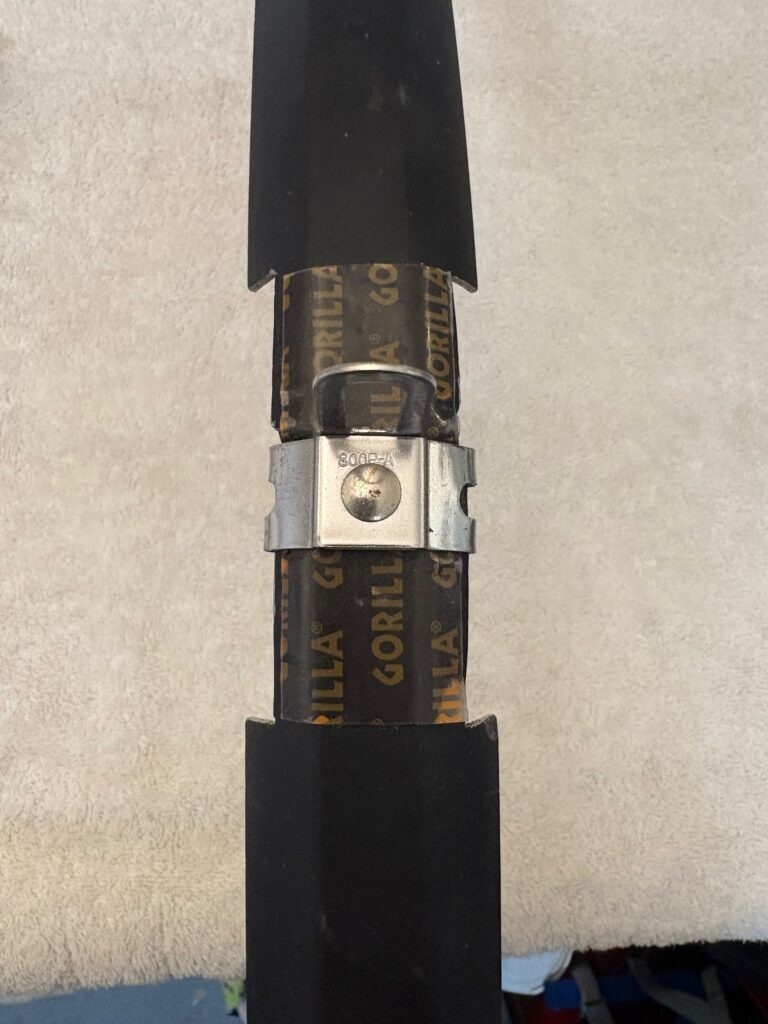
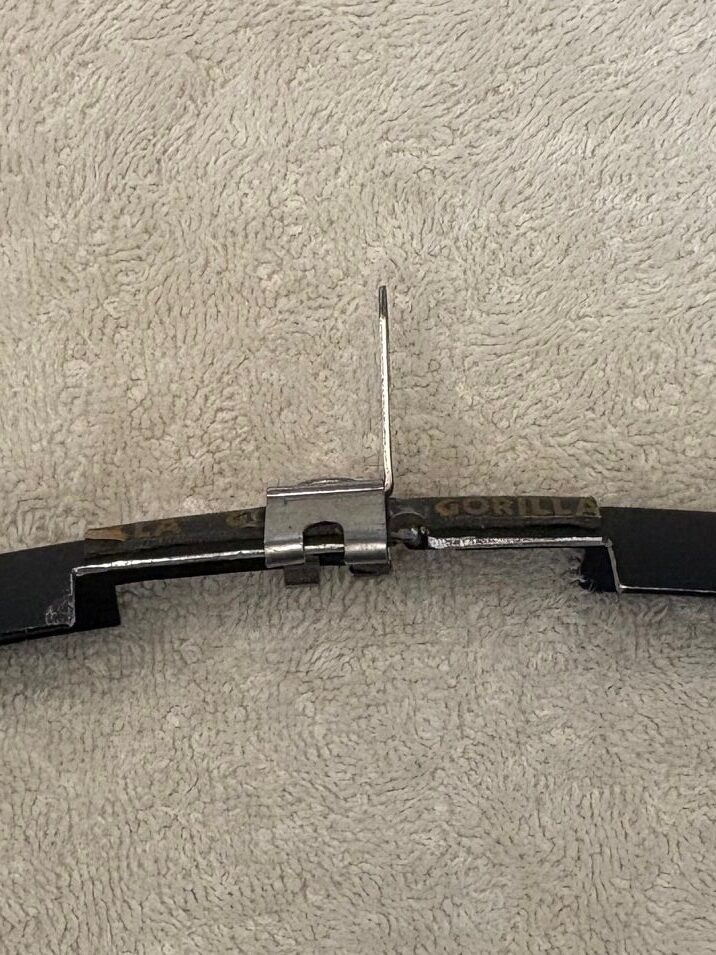
The road conditions in the UK were atrocious. Patches covering multiple excavations would have 50 shades of grey yet 60 different depths. When the Conservative government instituded austerity, they applied it liberally. Because of the cutouts, the front fender’s structural integrity was compromised. The shock and vibration was so incessant and violent at times that when I reached Wiveliscombe, the front “tongue” just simply fell off when I stopped at an intersection. I conjectured that the vibration from the bounces matched the harmonics of the molecular bond of the aluminum such that they separated.
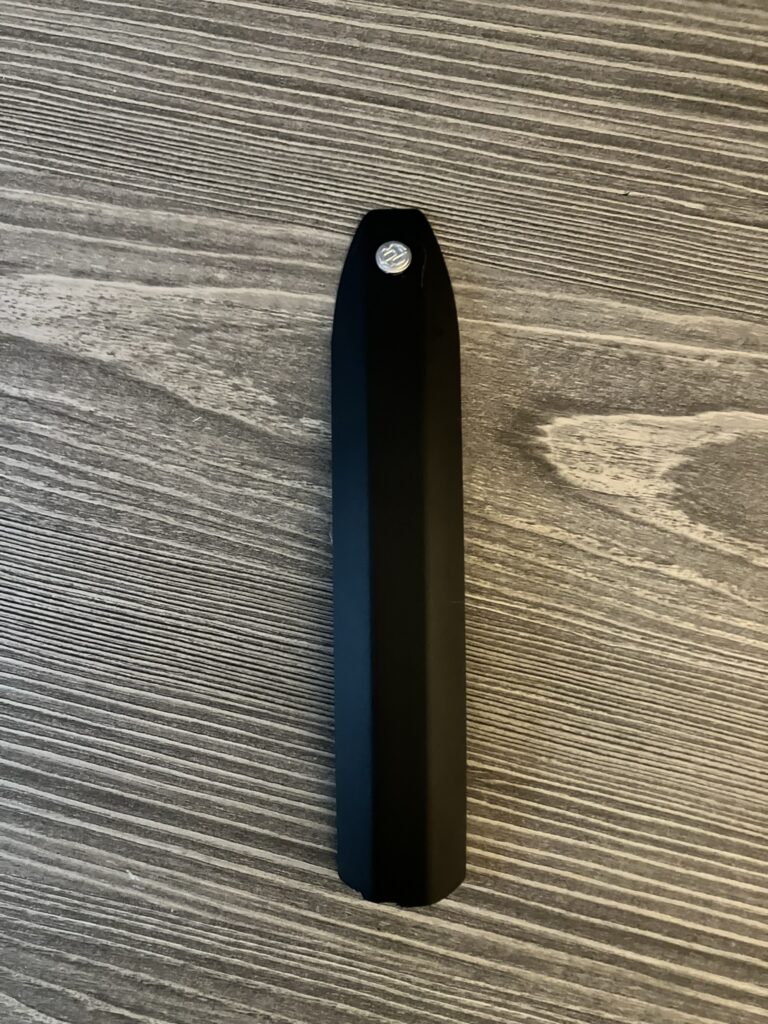
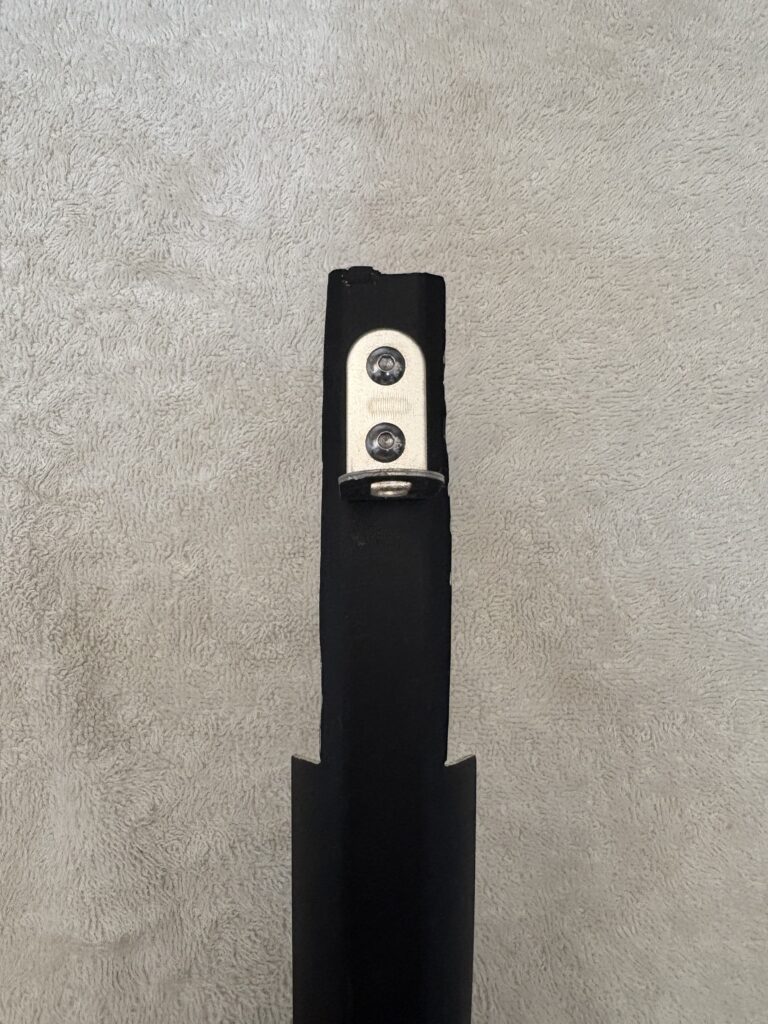
In the end, it never rained from start to finish. The closest I came to feeling any moisture was then climbing Bretherdale Head in Cumbria. Another rando complained what a waste of time it was to install fenders. I thought they were the talisman that warded off the rain.
Coming home, I wanted to widen the clearances to allow both fenders and wider tires. I replaced the front fork with one made by Ritchey with cantilever brakes. To my dismay, I had no options for my rear. For the Garden State series, I kept the fork so at least I could keep the front fender intact and was very careful to cut out the rear fender. The only “issue” I had was nosy randos asking me why I had 2 different brake types and then shared their postulations.
Fiat Lux (Let There Be Light)
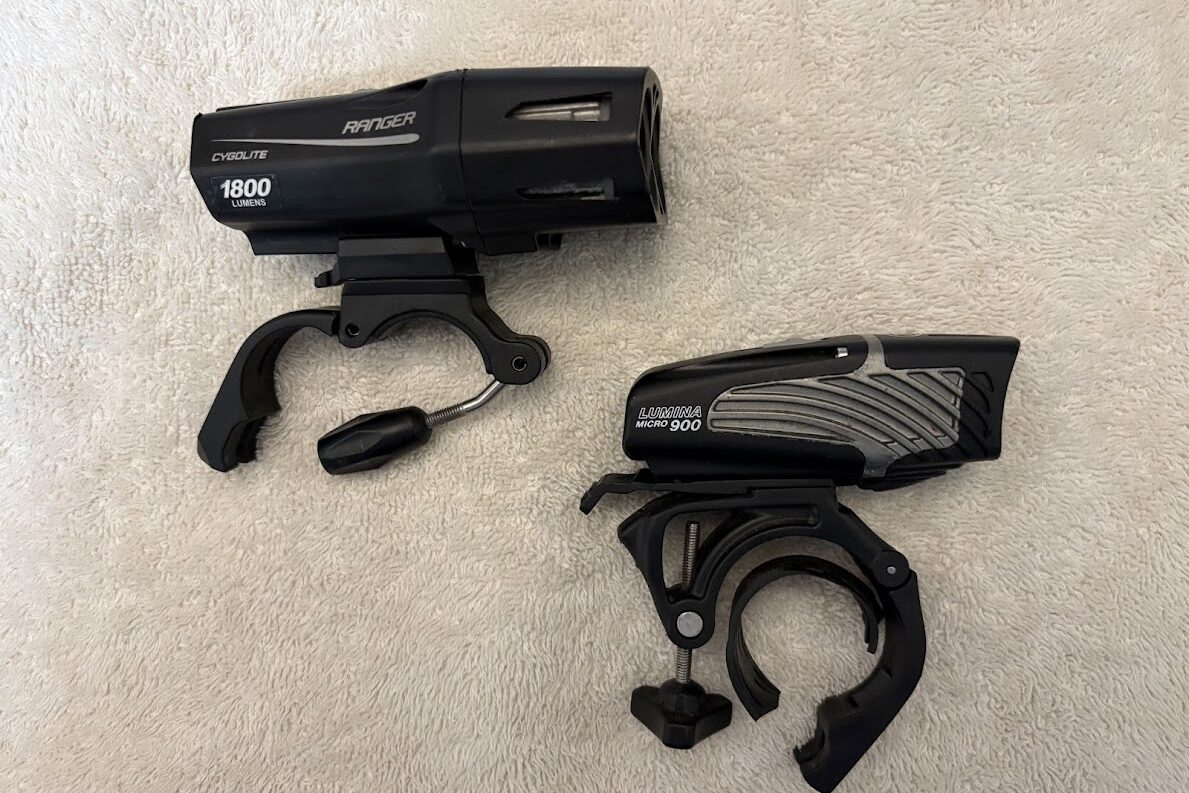
I knew I wasn’t going to ride through the night. Britain in the summer had extended daylight hours. Any riding in the dark wouldn’t be long. I brought a Cygolite 1800 as my primary headlight with a NiteRider 900 Micro as my backup. The Cygolite had the benefit of continuous operation when recharging while the NiteRider did not (at least not the one I have).
For my rear light, I used a AAA battery powered Planet Bike light. I didn’t want to deal with another device needing charging. Instead, I packed 2 spare batteries in my repair kit.
I Got the Power
Because I was foregoing a dynamo to power my light and Garmin with the Sinewave USB charger, I relied on one 5000 mAh battery in my frame bag for my phone and one 10,000 mAh battery in my handlebar bag to charge the Garmin and light. I performed a weight comparison between battery+Cyglolyte+front wheel combo and the wheel with SONS dynamo+Edelux II+USB charger combo. It ended up being almost the same weight. So I decided to go with the former to save the drag that the dynamo would cause. All in the margins in the end.
Rather than worrying about charging anything, I packed batteries in both drop bags so that I could just grab and go. While at the overnight controls, I would drain the current battery, knowing that I could swap out with fresh ones before I left.
Bike Cartage
Saddle Bag
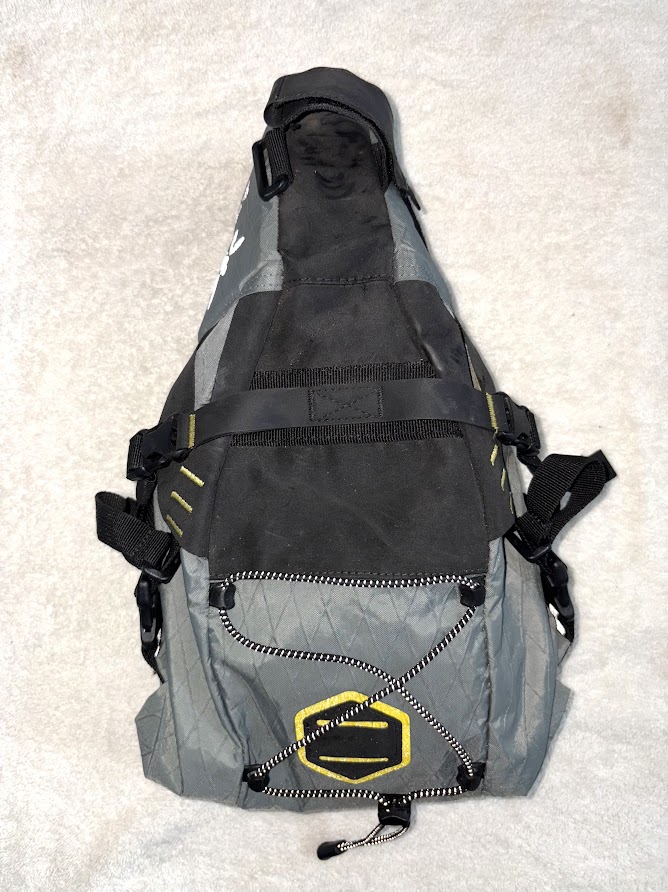
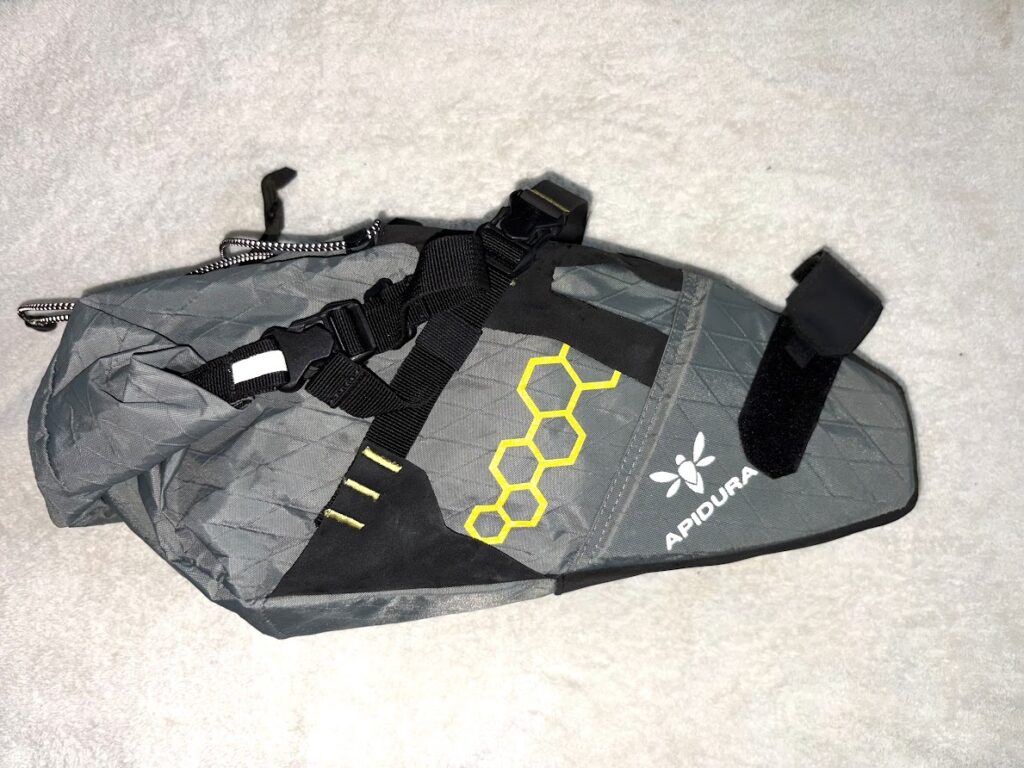
Apidura 7L bag – LEJOG’s drop bag staging required me to carry a change of bib shorts at the first overnight. Other items in my bag included tool kit, 2 spare tubes, my control clothes. It was easy to take off and put back on the bike, which was an essential feature as I needed to carry it with me while at overnight controls, especially the 2 where I needed to exchange items with my drop bag.
Frame Bag
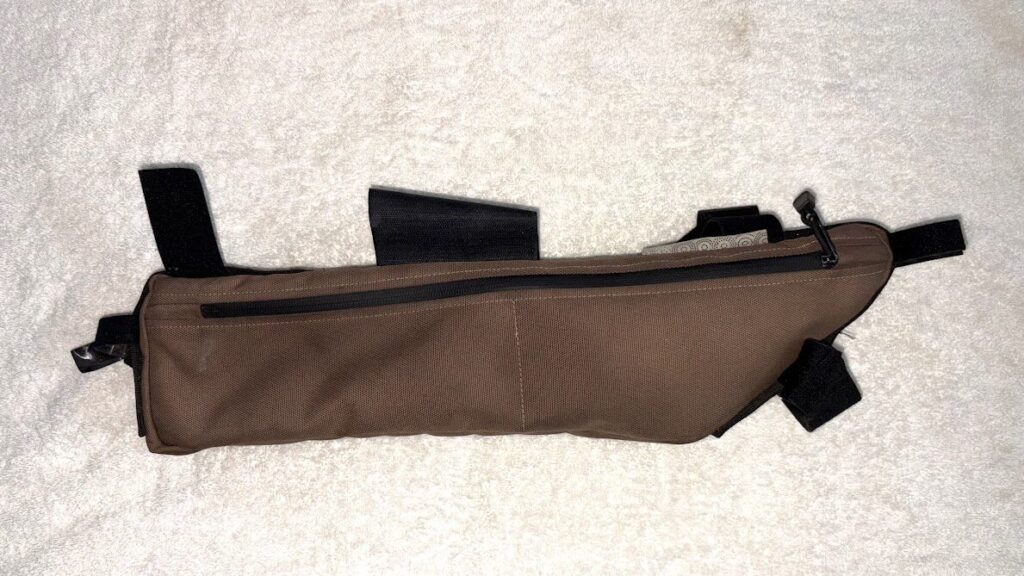
Outer Shell medium frame bag – I decided to use a frame bag to carry smaller clothing items (light full-finger glovers, gaiter), on-ride food and the NiteRider headlight. I ran into an issue with getting to my down tube water bottle, so I installed a side access bottle cage. My other minor gripe was the material used for the straps. They scuffed up my other Ibis Hakka gravel carbon frame.
Handlebar Bag
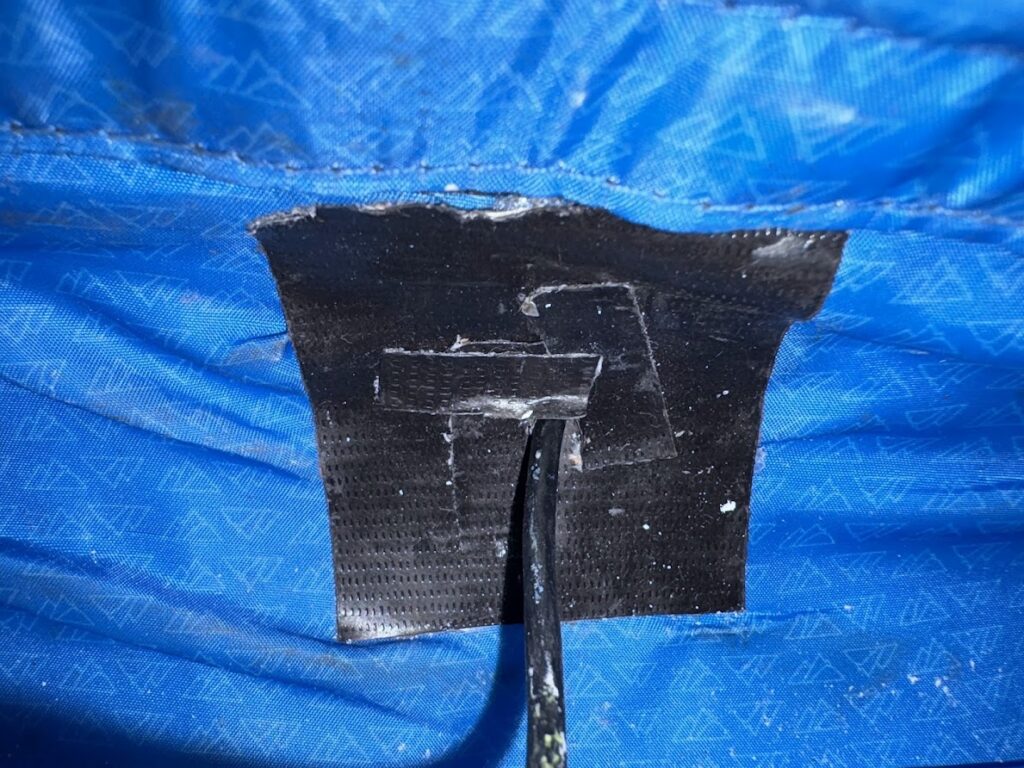
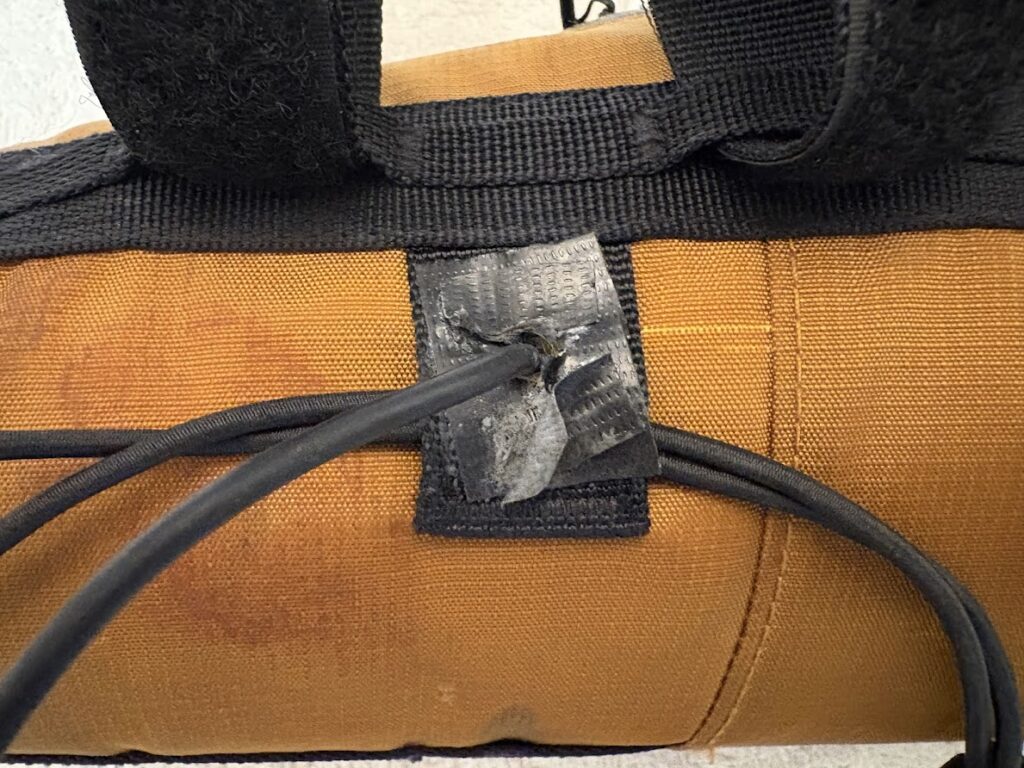
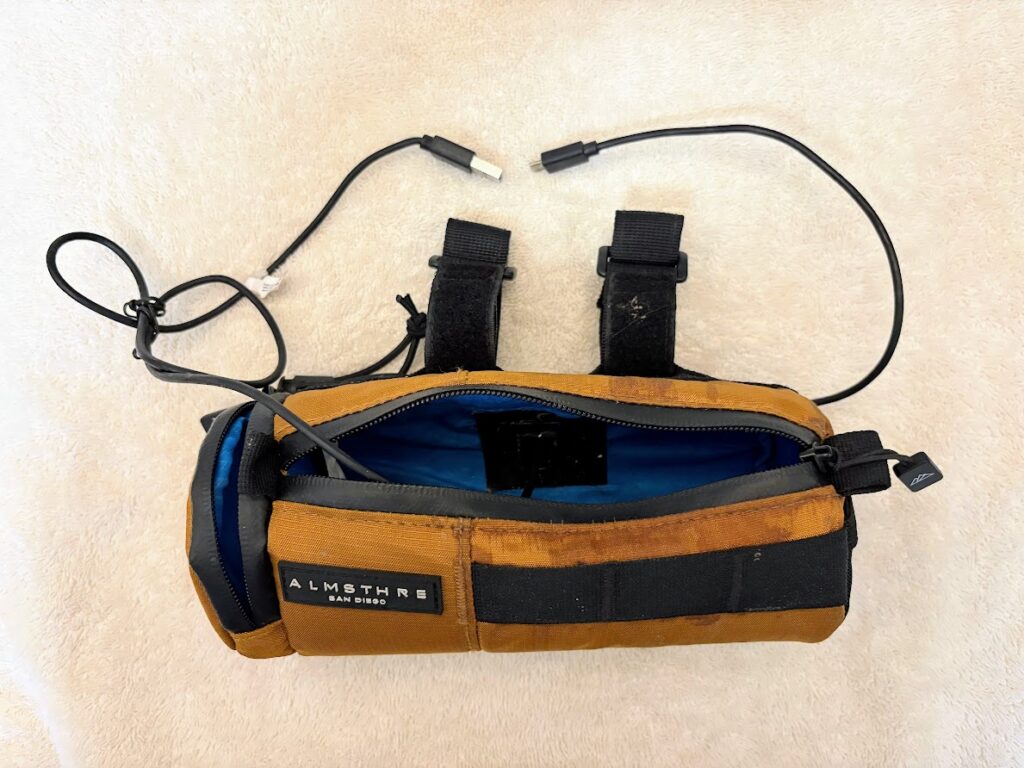
Almstre handlebar bag compact 3.5” diameter x 7.5” long. I use this bag to carry my 10,000 mAh battery, care kit and a plastic spoon. I needed to route a USB cable to connect the battery to the Garmin/headlight while riding. If I ran it through the zipper opening, rain and the resulting leak would ruin its content. I punched a hole through the body of the bag facing the stem where water would least likely get to and pulled the cable through that hole. It was all for naught since I never rained during LEJOG. It was tested during the Garden State series last May. Content remained bone dry. My only issue was insufficient space so recently I bought a larger bag from Almstre.
Repair Kit
The items shown below are what I carry in my repair kit for LEJOG:
- Spare zip ties
- Tire boot made from cutting a section off of an old tire
- 5mm hex key
- 4mm hex key
- 2mm hex key (for derailleur adjustment)
- Spare Garmin rubber band
- 2 AAA batteries for my rear light and additional electrical tape
- Tube patch kits
- Small phillips head screw driver
- 2 sets of 11-speed quick links
- Small Swiss Army knife with a tweezer (to remove wires from tires)
- Old Park Tools patch kit box to store quick links and Swiss Army knife
- Pedro’s plastic tire spatula
- LA Matt’s brevet savage spare derailleur cable (there is a back story!)
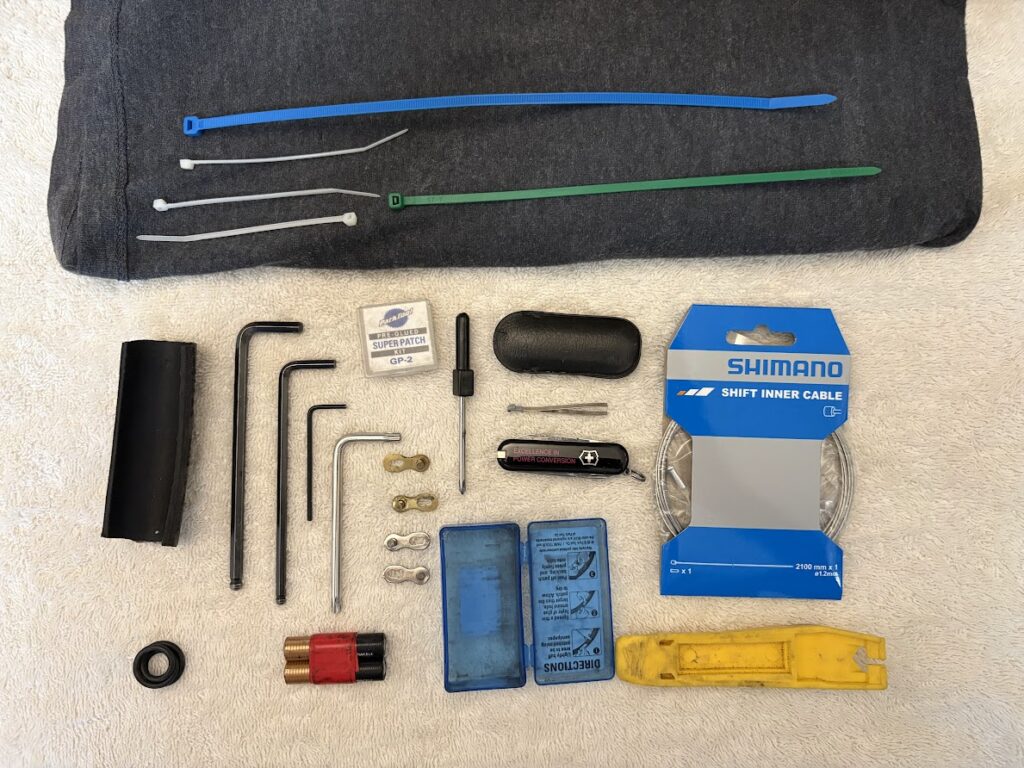
Zip ties are the caulk and duct tape for long distance cycling. It is the Jesus that saved many of my brevets from ignominious endings.
Below was (and still is) my fancy repair bag.
Care Kit
My kit contained antacid tablets (not in photo), ibuprofen, electrolyte pills, chamois cream and sun block. I recycled empty pill bottles as portable containers for chamois cream so I could easily pack in my handlebar bag. Mid-ride touch up were necessities. I packed a spare bottle in my saddle bag. When I accessed my drop bag, I would refill with the tube I packed in each. I preferred DZ Nuts for its 4 oz tube packaging. It was pricey but its form factor enabled easier transport.
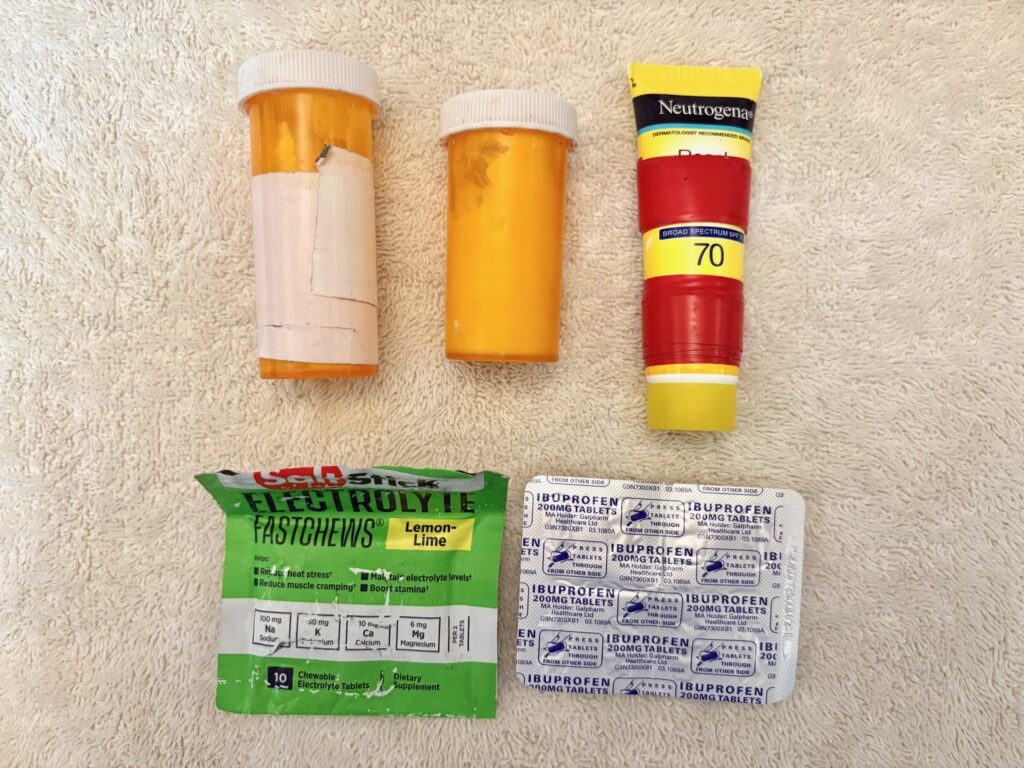
I wrapped spare duct tape around 1 chamois cream bottle as well as spare electrical trap around the sun block tube.
Control clothes
I packed a lightweight shirt and a pair of loose boxer shorts to wear at controls after showers. I needed maximum airflow in that nether region of the undercarriage to recover. Again, an important lesson I learned at LEL 20i7.
Drop bags
We were allowed 2 drop bags for 4 overnight controls. Each bag didn’t have much capacity compared to a back pack. Trade-off had to be made given this limitation. For the first bag at Golborne, I packed 1 bib shorts. Upon my arrival, I would pick up the fresh shorts and jersey and put my 2 used shorts from Day 1 and 2 into the drop bag for pick up at the finish. When I arrived at Kirkburn at the end of Day 3, I then changed my shorts and jersey for Day 4 and 5. I needed to pack my post ride change of clothes so I had to sacrifice another clean bib shorts for Day 5 in the Kirkburn drop bag. In each bag I also packed two 10,000 mAh batteries and one 5,000 mAh battery, 2 tubes, a tube of chamois cream, on-ride snacks and electrolyte powder.
Route Planning and Scouting
Because we were looking for hotels in lieu of controls to grab sleep, I had to scope out places that would support our late arrival/early departure. Quaint B&Bs and small local hotels were many, but most would be closed when we would likely arrive after 9:00PM. That limited the choices and thus forced us to look for national or international chain hotels farther than I would have liked.
As a result, I had to prepare an itinerary to show where I would be from day to day, control to control. I also inserted the name and distance of the hotels. I searched for places to eat to account for early check out.
Photography
I use an iPhone for all my photos, on or off the bike. For LEJOG, I was still using an iPhone SE with a single lens. It took good enough photos.
The most important thing I tried to work on was composition. When possible, I applied the “rules of thirds” to place the subject along the 4 lines (2 vertical, 2 horizontal) cutting the plane into thirds. Avoid placing subjects right in the middle. Sometimes if I couldn’t compose during the shot, I worked on it when cropping. I tried to find repeating patterns (houses, fences, etc) or leading lines (road, streams).
I developed and honed my quick draw skill when pulling my phone out of my right rear jersey pocket to snap a picture. When I crashed and separated my right AC joint in November 2024, I lost so much range of motion that I couldn’t reach the phone in time from my pocket. I tried to stage the phone in my frame back to no avail. For NJ Randos’ Garden State series, I had to forego many photos. I have recovered enough of my range of motion in the latter half of 2025 to start taking photos more regularly.
Navigation
Andy sent out the full RWGPS route. My Garmin 1030 would not be able to handle that amount of data. I broke the route down to each day’s ride. I customized the turn-by-turns to account for when our hotels were located off course. Then for each day’s file, I created a backup so that if the main file became corrupted for whatever reason, I have a backup file. When riding, I often just left the map screen on so I can follow. My average speed and current speed were vanity data.
Booking Lodging at Start and Finish
I am now an adherent to Airbnb. For the start, we found a place that was walking distance to the start HQ. The property had a full kitchen that enabled us to buy food of our choosing to cook and enjoy. There were 3 beds for Michael, LA Matt and me. Came out to $645 for 3 nights.
At the finish we found a motor home that was so close to the John O’Groats that I was able to walk to despite being drunk and tired at the end. It was $103 for 1 night.
I was never a big fan of Airbnb until now.
Transport to Land’s End and from John O’Groats
I reached out to Tal Katzir, Israeli Randonneurs RBA and current LRM president. He first tipped me off about LEJOG. His guidance on transport was to reserve a one-way rental a car from London and drop it off at Penzance; then for John O’Groats, bike to Wick to pick up the rental car and then drive it back to London. Given what ended up happening, Michael rented a car and drove to John O’Groats to bring Matt and me back to London.
Storage of Bike Box and Other Belongings
In the mid-90s, I studied in London for my masters. I reached out to a classmate, Cheri, who not only offered me a place store my belongings, she invited me to stay at her home throughout my visit before and after LEJOG. Her boyfriend, who was a cycling enthusiast as well, let me use his repair stand then helped me put together and take apart my bike. He also guided me on several shakedown rides through Richmond, taking me to see Hampton Court Palace where King Henry VIII resided and along the banks of the River Thames. To celebrate my finish, she invited Fiona, another classmate, with her partner and hosted a lavish dinner with bottles of wine and delightful conversation about art, literature and British comedy, all on the pretext to help me recover from my calorie deficit. Always good to have friends at RIGHT places.
Training
Last time I trained for a bike race was in 2017. The moment my team rolled into Dockland at Annapolis to end our RAAM campaign, I set aside my power meter and HRM strap. Recently I started to wear the strap. All the zone this and zone that and tempo whatever seemed to distract the purpose of randonneuring, which for me was to ride my bike with friends over stupidly long distances. For LEJOG, I was not striving for any fast times. A good time was just that, having a good time and exploring a new country, taking in amazing views. Don’t get me wrong: if striving for tempo vs threshold intervals and chatting up about FTP and Watts-Not are what float your boat, sail on, commodore.
I distilled riding my bike into 2 zones: Zone Fun and Zone None: 100% in Fun and 0% in None! To paraphrase John Quincy Adams: I am the well-wisher to all who defines whatever it may be for their Zone Fun; I am a vindicator only of my own.
For LEJOG, I completed a full SR series (I recall that year I scheduled routes with massive climbs to prepare for an 8k600). In July I then scheduled a 300/300/200 weekend; the final 200km was to get my head into restarting the motor after 600 km of riding. Yogi Berra summed up randonneuring pretty well when describing baseball: “… is 90% mental. The other half is physical.”
Reflecting on LEJOG, I grossly over-estimated my capabilities and under-estimated the route. In the end, I finished 30 minutes less than my target of 110 hours. But the toll was much higher than I ever anticipated. “The best laid schemes….”
Recommend LEJOG?
Would I recommend anyone to give LEJOG a go? Hell yes! But with provisos.
Would I go back to take part in LEJOG again? Hell no! I was lucky to have no inclement weather in 2024.
I would consider a more relaxed form of LEJOG. Hurrying past Tintern Abby, Monmouth, Balmoral Castle and Castle Cawdor, I’d like to go back to visit those important places of British history and literature. Next time I am to stay at every hotel I book.